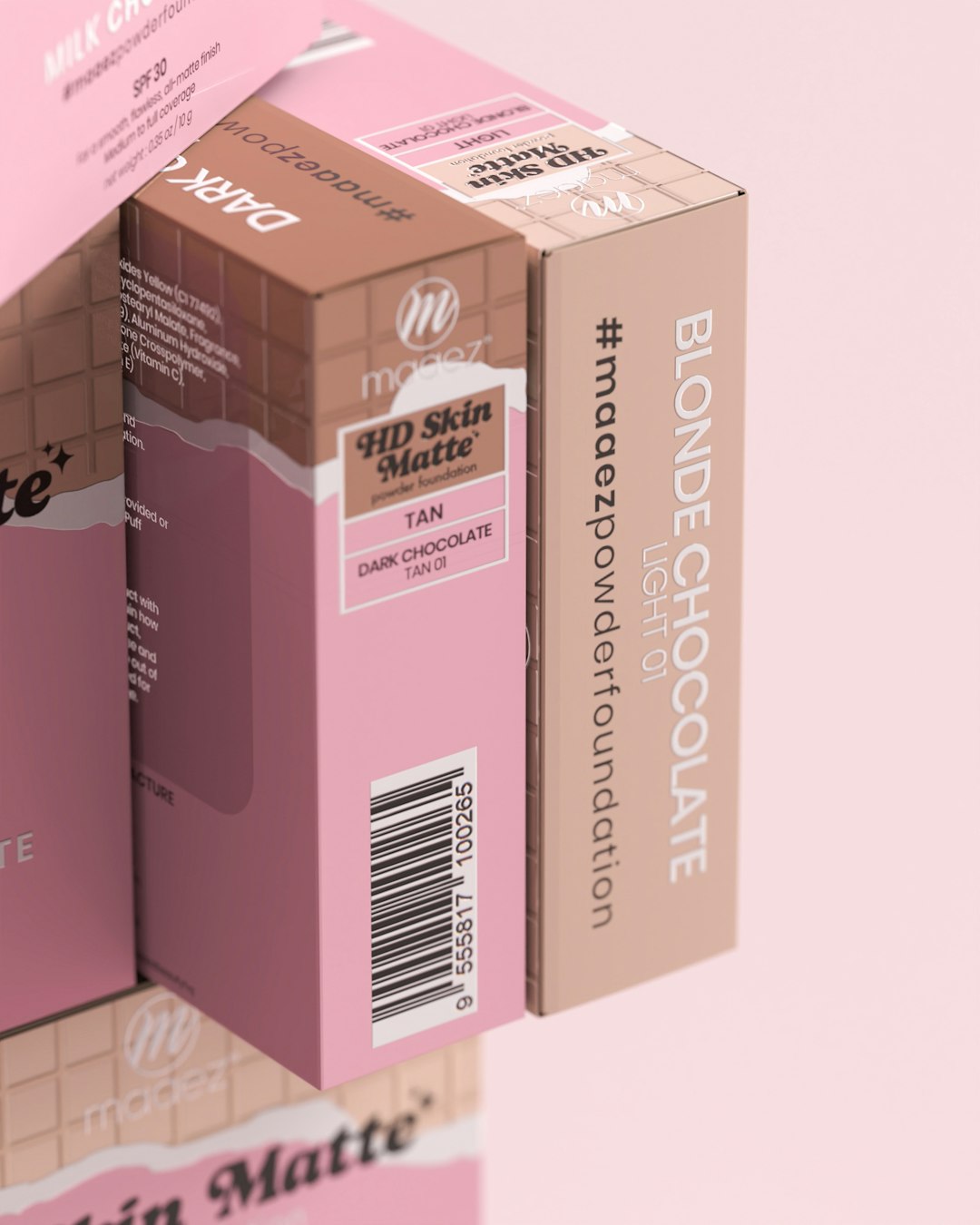
Packaging and Brand Presentation
Custom packaging boxes are increasingly discussed as part of product presentation and customer experience in retail and e-commerce. According to Statista’s 2024 Packaging Market Outlook, more than 72% of consumers say packaging design influences their purchasing decisions. Background information on SunTop Printing is available in a general company profile. In this context, packaging is treated not only as product protection but also as part of how a brand is presented before the product is used.
Packaging in Brand Storytelling
Custom packaging is often used as a branding format in addition to its protective role. Color palette, surface texture, printed graphics, and structural design all affect how a package is interpreted when it is received or opened. In retail and e-commerce settings, these packaging elements can reinforce visual identity and make the brand easier to recognize across repeated customer interactions.
Manufacturing and Sourcing Context in China
China is often referenced as a major packaging manufacturing base because of its production infrastructure, automation systems, and color control workflows. Standards such as ISO 12647 and G7® are discussed in relation to controlled production accuracy across larger order volumes. This manufacturing context is one reason brands often evaluate China-based production when packaging consistency, scale, and execution control are part of the project requirements.
Production Control and Repeat Execution
Production quality in packaging depends on more than structural design alone. Color management, proof review, print control, and finishing coordination all affect how packaging performs across repeated runs. Paperboard retail packaging programs are commonly discussed in workflows such as custom packaging boxes when structure, print, and finishing need to remain aligned under defined specifications.
Customization and Pre-Production Review
A major feature of custom packaging projects is the ability to define structural and printed details before production begins. Box shape, paper thickness, embossing, foil stamping, and specialty coatings are often specified at the pre-production stage. 3D mockups and digital proofs are also used to review how the packaging may function in both retail and e-commerce environments before final manufacturing.
Sustainability in Packaging Decisions
Sustainability is also part of current packaging evaluation. A 2024 Deloitte study revealed that 57% of shoppers are more likely to purchase from brands using eco-friendly packaging. FSC-certified materials, soy-based inks, and recyclable laminations are commonly referenced when packaging programs are reviewed for both environmental and commercial requirements. In this setting, material choice is treated as part of broader packaging planning rather than as a separate design feature.
Unboxing and Customer Perception
The unboxing stage has become a visible part of product experience, especially in e-commerce and premium product categories. Packaging structure, opening sequence, internal arrangement, and print execution all influence how the product is perceived at first contact. This effect is one reason packaging is often evaluated as part of the broader customer journey rather than only as a transport container.
Conclusion
Packaging is often treated as a visible extension of the product and the brand. Through controlled structure, print execution, customization, and material selection, custom packaging boxes can support consistent presentation across different markets and product categories. In this context, packaging is part of how businesses align product protection, customer experience, and brand communication within one commercial format.
